


2026 Honda HR-V near Smithtown, NY
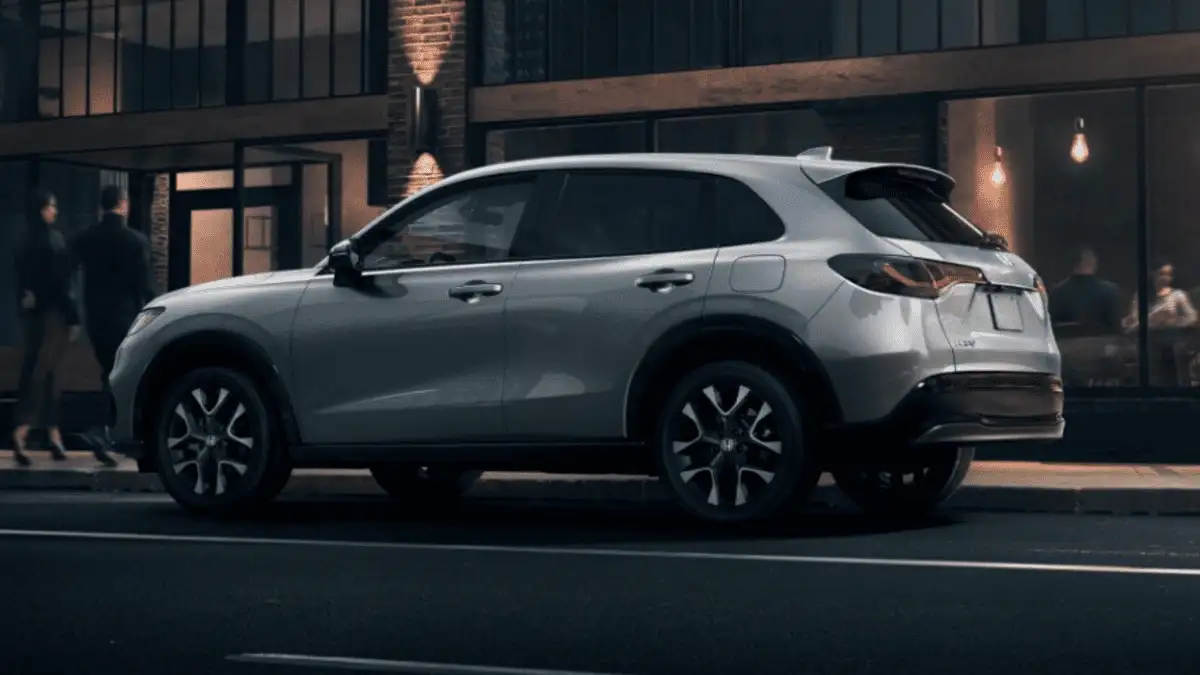
The 2026 Honda HR-V represents a continued refinement of the Honda second-generation subcompact SUV platform, with updates focused on technology integration, structural safety, drivetrain consistency, and functional design execution. The 2026 Honda HR-V introduces revised exterior and interior elements while retaining the mechanical systems that define the vehicle’s balanced driving behavior. The vehicle is engineered to support daily transportation demands through predictable performance, efficient packaging, and standardized safety technologies across all trims. Every configuration reflects the brand’s emphasis on durability, ease of operation, and uniform feature availability rather than excessive differentiation.
Powertrain Configuration and Mechanical Performance
The 2026 Honda HR-V is equipped exclusively with a 2.0-liter inline four-cylinder gasoline engine. This naturally aspirated powerplant is designed for linear throttle response and consistent output across a broad operating range. The engine prioritizes smooth combustion, controlled torque delivery, and long-term mechanical reliability. Power is managed through a continuously variable transmission engineered to maintain optimal engine speed during acceleration and cruising conditions.
Front-wheel drive is standard, while an available intelligent all-wheel drive system expands traction capability by monitoring wheel slip and distributing torque as necessary. This system functions automatically and requires no driver intervention, supporting stability during reduced-grip conditions such as rain or snow. The drivetrain configuration emphasizes predictability rather than aggressive output, aligning with the vehicle’s role as a compact utility vehicle intended for daily operation.
A fully independent rear suspension is standard across the lineup. This suspension layout allows each rear wheel to respond independently to surface irregularities, contributing to improved ride composure and lateral stability. The front suspension geometry supports precise steering input and controlled body motion. Together, these systems provide balanced handling characteristics without sacrificing comfort.
Drive Mode Selection and Vehicle Control Systems
The 2026 Honda HR-V includes three selectable drive modes designed to adjust vehicle behavior based on operating conditions. Normal mode maintains standard throttle and transmission calibration suitable for everyday driving. Eco mode alters throttle response and system logic to support fuel efficiency during steady operation. Snow mode modifies traction control and power distribution to reduce wheel slip on low-friction surfaces.
Hill Descent Control is included as standard equipment. This system regulates vehicle speed on steep downward grades by automatically applying braking pressure. It allows the driver to focus on steering input while the system manages controlled descent, particularly useful in uneven or inclined environments.
Structural Design and Exterior Functional Updates
Exterior updates for the 2026 Honda HR-V focus on functional styling refinements rather than structural changes. Each trim level features a distinct wheel design, with sizes ranging from 17 to 18 inches depending on configuration. These wheels are engineered to balance durability, weight distribution, and visual clarity while supporting predictable handling response.
Privacy rear glass is now standard across all trims. This feature reduces solar heat intrusion and limits glare while maintaining rearward visibility. Sport trim models incorporate gloss black tailgate badging, which alters visual contrast without affecting structural elements. New exterior paint options expand the available finish selections while maintaining standard corrosion resistance and durability requirements.
The overall exterior dimensions remain optimized for urban maneuverability and parking efficiency. Ground clearance and body proportions support light utility use without compromising center-of-gravity management. Panel alignment and surface contours are designed to minimize wind noise and support aerodynamic efficiency.
Interior Architecture and Cabin Engineering
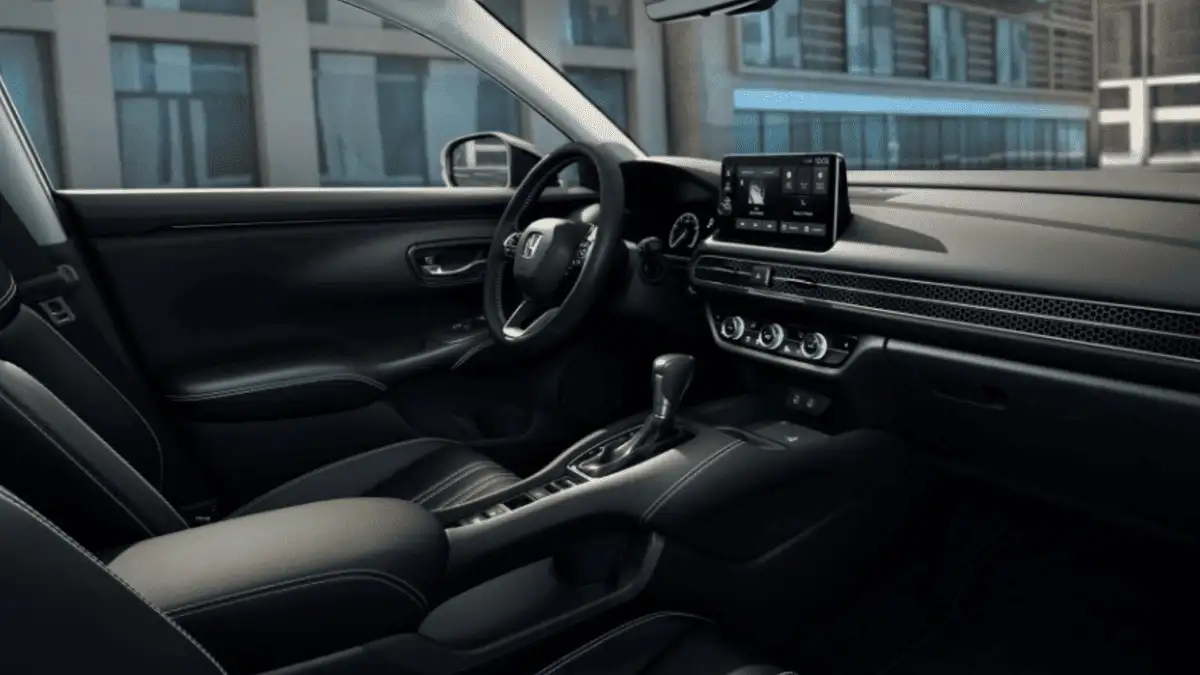
The interior of the 2026 Honda HR-V reflects a structured layout focused on ergonomics and material longevity. The dashboard architecture places primary controls within direct reach of the driver, reducing the need for extended movement or visual diversion. The seating position supports forward visibility and natural pedal alignment, contributing to reduced fatigue during extended driving periods.
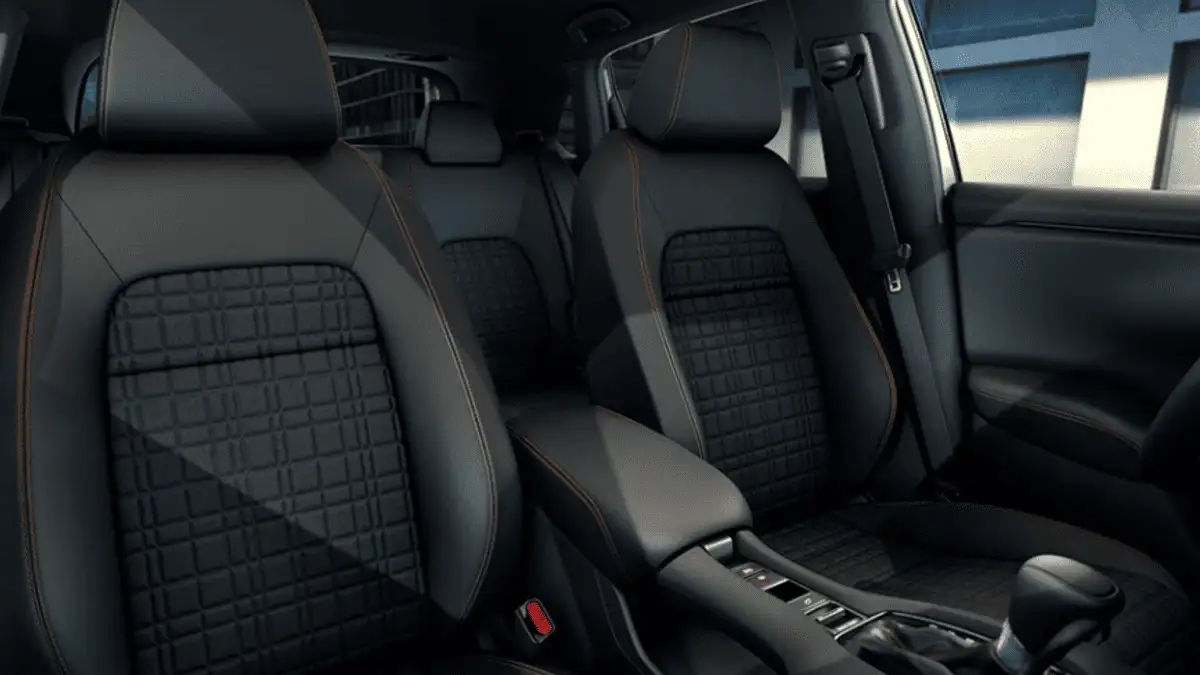
Material selection varies by trim but follows consistent durability standards. Higher trims introduce refined finishes and additional lighting elements while maintaining the same fundamental cabin structure. The EX-L configuration includes silver-accented steering wheel spokes, illuminated climate control interface elements, and front footwell lighting. These features improve visual clarity in low-light conditions without altering control complexity.
Cabin space utilization supports passenger comfort while preserving cargo capacity. Seat geometry is designed to maintain posture support across a range of occupant sizes. Storage compartments are distributed throughout the cabin to accommodate daily-use items without interfering with primary controls.
Infotainment Systems and Digital Interfaces
All 2026 Honda HR-V models include a standard 9-inch high-definition touchscreen positioned centrally within the dashboard. This interface replaces smaller displays from previous iterations and incorporates a faster processing unit to improve response time and system stability. The screen resolution supports clear visual presentation of navigation, media, and vehicle settings.
Wireless smartphone integration is standard through compatibility with Apple CarPlay® and Android Auto™. These systems allow access to navigation, communication, and media applications without the need for physical connections. A wireless phone charging pad is also standard, designed to support compatible devices while reducing cable clutter.
USB-C ports are positioned throughout the cabin to provide power access for multiple occupants. The digital instrument cluster displays speed, fuel information, and driver-assist system status in a clear format. The interface prioritizes legibility and minimal distraction through straightforward graphic presentation.
Safety Systems and Driver Assistance Engineering
Safety engineering is standardized across all 2026 Honda HR-V trims. Each model includes the Honda Sensing® suite of driver-assist technologies. This system integrates multiple features designed to support situational awareness and collision mitigation. Forward-facing cameras and sensors monitor surrounding conditions and provide corrective input when necessary.
The vehicle structure incorporates the Honda Advanced Compatibility Engineering body design. This framework distributes crash energy more evenly during frontal impacts, reducing force transfer to the passenger compartment. Next-generation front airbags are engineered to cradle the head and reduce rotational movement during deployment. Standard airbags include front knee airbags and rear passenger side-impact airbags.
These systems operate continuously during vehicle operation and do not require manual activation. Calibration prioritizes consistency and predictable intervention rather than abrupt corrective actions. Together, the active and passive safety systems contribute to comprehensive occupant protection.
Fuel Efficiency Calibration and Operational Balance
The 2026 Honda HR-V is calibrated to balance engine output with fuel efficiency across both front-wheel-drive and all-wheel-drive configurations. Transmission logic maintains efficient engine speeds during steady cruising and gradual acceleration. Aerodynamic design elements and weight distribution further support efficiency goals without reducing structural rigidity.
The vehicle’s compact footprint and engine calibration support reduced fuel consumption during urban and highway driving. These characteristics align with the vehicle’s role as a daily-use vehicle requiring minimal operational complexity and predictable running characteristics.
Trim-Level Differentiation and Standardization Strategy
Honda structures the 2026 Honda HR-V lineup into three trims, each designed to offer distinct visual and comfort elements while maintaining consistent mechanical and safety specifications. The LX trim includes the full suite of safety systems, the standard touchscreen interface, and available all-wheel drive. The Sport trim adds exterior-specific elements and exclusive finishes without altering powertrain configuration. The EX-L trim introduces additional interior refinements and lighting enhancements while preserving the same drivetrain and safety architecture.
This approach simplifies vehicle selection by ensuring that critical technical systems remain consistent across the range. Buyers can evaluate trims based on comfort and aesthetic preferences rather than mechanical trade-offs.
Schedule a Test Ride Today
Evaluating the 2026 Honda HR-V through a test drive provides direct exposure to its engine responsiveness, suspension behavior, and integrated safety systems. Driving the vehicle allows assessment of throttle modulation, transmission smoothness, and ride stability across varying surfaces. The infotainment interface and driver-assist technologies can be experienced in normal traffic conditions to understand their operation and visibility. A scheduled visit to Huntington Honda near Smithtown, NY, offers the opportunity to explore each trim configuration and review technical features in detail with knowledgeable staff. Arranging a test drive supports informed evaluation of how the engineering of the 2026 Honda HR-V aligns with daily driving requirements.